
Sauces & Condiments
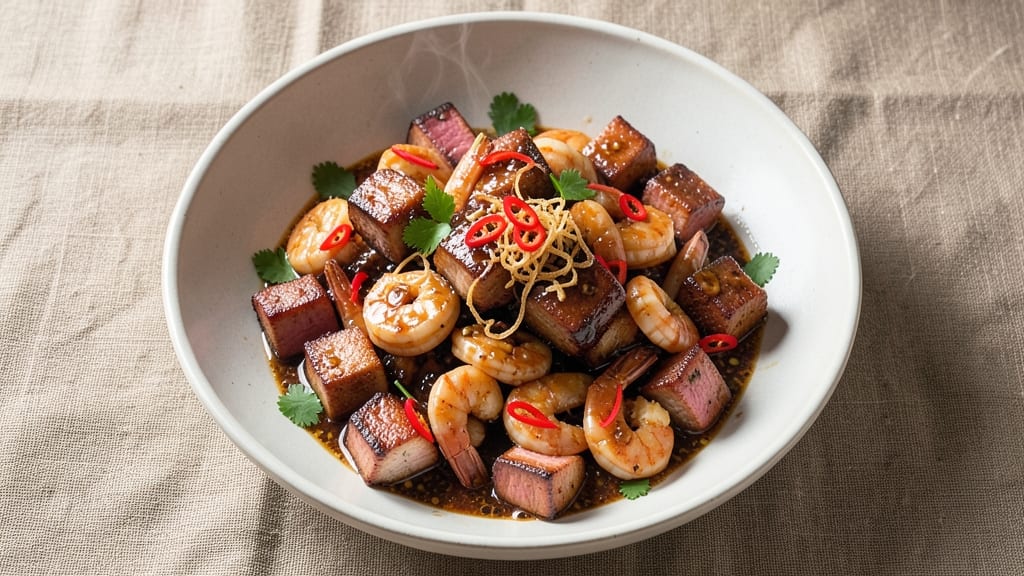
This Bám E recipe with oyster sauce delivers the perfect balance of smoky-sweet caramelized edges and vibrant Vietnamese flavors in every bite.
The secret lies in a rich glaze that transforms simple pork or shrimp into tender, flavor-packed protein while keeping the dish light with fresh herbs and crunchy pickled vegetables.
I developed this version after years of perfecting the technique—where the oyster sauce's umami depth meets the smoky char of grilled protein.
What sets this recipe apart is the two-step glaze process: first searing the protein for maximum flavor, then simmering it in a sticky-sweet oyster sauce reduction that caramelizes beautifully.
The result is a dish that's both restaurant-quality and surprisingly easy to recreate at home, with tender noodles, juicy protein, and a perfect harmony of textures. Every component comes together in minutes but tastes like you've spent hours mastering it.
The final assembly is where the magic happens—cool, slippery rice noodles topped with tender protein, bright herbs, and crisp pickled vegetables, all bound together by that caramelized oyster glaze.
The contrast of temperatures and textures makes each bite unforgettable, while the smoky-sweet sauce ties everything together in a way that feels both comforting and exciting. This is the kind of dish that transforms a simple weeknight dinner into a memorable meal.
Perfect for feeding a crowd or meal prepping, this recipe scales beautifully while maintaining its authentic flavors. The balance of sweet, smoky, and tangy elements ensures every bite is satisfying, and the fresh herbs add a bright finish that keeps it from feeling heavy. Let's get cooking!
Ingredients for bam e recipe with oyster sauce
This smoky-sweet glaze transforms simple protein into restaurant-quality Bám E magic.
| Ingredient | Amount | Notes |
|---|---|---|
| Pork Shoulder 🥩 | 1 ½ lb | Cut into 1-inch cubes, boneless |
| Shrimp 🦐 | 1 lb | Large, peeled, deveined, tails off |
| Oyster Sauce 🍜 | ½ cup | High-quality, thick variety |
| Fish Sauce 🐟 | 2 tbsp | Red Boat preferred |
| Soy Sauce 🥫 | 2 tbsp | Kikkoman or similar |
| Brown Sugar 🍚 | ¼ cup | Packed, light variety |
| Garlic Cloves 🧄 | 6 cloves | Minced, fresh preferred |
| Thai Bird's Eye Chilies 🌶️ | 2 whole | Seeds removed, finely chopped |
| Fresh Lemongrass 🌿 | 1 stalk | Bruised, bottom 3 inches only |
| Fresh Cilantro 🌱 | ½ cup | Stems removed, chopped |
| Fresh Mint Leaves 🍃 | ¼ cup | Chopped, bright green |
| Rice Noodles 🍜 | 12 oz | Sticky rice, medium width |
| Vegetable Oil 🫒 | ¼ cup | High smoke point |
| Lime Juice 🍋 | 2 tbsp | Freshly squeezed |
| Salt 🧂 | 1 tsp | Diamond Crystal preferred |
The oyster sauce is non-negotiable here—Red Boat or Lee Kum Kee are your best bets for that deep umami punch. Grab the thick variety, not the watery kind. Fresh lemongrass is a game-changer, but if you can't find it, substitute 1 tbsp lemongrass paste (the kind in tubes). The pork shoulder should have good marbling—ask your butcher to cut it into 1-inch cubes if buying whole. For the shrimp, 31-40 count gives you that perfect balance of meat and tail. Don't skip the Thai chilies—they bring the heat and complexity this dish craves.
No oyster sauce? Double the fish sauce and add 1 tbsp soy sauce to mimic the depth. Running out of lemongrass? 1 tsp lemongrass powder plus 1 tsp lime zest works in a pinch. The brown sugar can be swapped for turbinado sugar if you prefer a less refined texture. For the protein, chicken thighs work beautifully too—just increase cooking time by 2-3 minutes. The rice noodles? Thai Kitchen brand is my go-to, but any sticky rice noodle will do. Just soak them until pliable, not mushy—about 20 minutes in warm water.
The glaze keeps for 5 days in the fridge, so make extra—it's perfect over rice or noodles. Store the protein separately in an airtight container. Fresh herbs like cilantro and mint wilt fast, so wrap them in damp paper towels and refrigerate for up to 3 days. For meal prep, assemble the dish fresh but keep components separate until serving. The flavors actually improve overnight as everything melds together—trust me on this.
Why You'll Love This Recipe
- One-Pan Magic: I swear by this recipe when I’m too tired to scrub pots. Toss pork shoulder and shrimp in the same pan—no extra dishes, just that rich oyster sauce caramelizing into a glossy, sticky glaze that does all the work for you.
- Umami Bomb: Between the pork’s deep savoriness and shrimp’s briny sweetness, the oyster and fish sauce combo hits different. That first bite? It’s like a hug for your taste buds—salty, sweet, and just a little funky in the best way.
- Weeknight to Party: Make it for a lazy Tuesday or double the batch for a dinner party. The flavors scale effortlessly, and the leftovers? Even better reheated the next day (yes, really). My roommates still steal my portions when I forget to box them up.
- Budget-Friendly Powerhouse: Pork shoulder stretches for miles, and shrimp adds luxury without breaking the bank. A splash of soy and fish sauce turns cheap cuts into something restaurant-worthy—proof you don’t need fancy ingredients for a standout meal.
Step-by-step instructions for smoky-sweet glazed pork shoulder and shrimp
Here's how to create a restaurant-quality Bam E dish with a caramelized glaze that'll make your taste buds dance.
Marinate the Pork Shoulder for Maximum Flavor
In a large bowl, combine the 1.5 lb pork shoulder cut into 1-inch cubes, 0.5 cup oyster sauce, 2 tbsp fish sauce, 2 tbsp soy sauce, 0.25 cup packed brown sugar, 6 cloves minced garlic, and 2 finely chopped Thai bird's eye chilies. Mix thoroughly until the pork is completely coated in the marinade. Here's the thing—this marinade isn't just flavor, it's a sugar bomb that'll caramelize beautifully during cooking.
Transfer the marinated pork to a resealable plastic bag and refrigerate for at least 4 hours (overnight is even better). The acidity from the fish sauce and soy sauce will tenderize the meat while the sugar starts breaking down, creating that irresistible glaze we're after. Don't skip this step—it's what transforms good pork into showstopping pork.
Cook the Pork Until Fork-Tender and Glazed
Preheat your oven to 300°F. Remove the pork from the fridge and place it in a heavy oven-safe skillet or Dutch oven. Cover tightly with a lid or foil and bake for 2 hours. Here's where the magic happens: after 2 hours, increase the heat to 375°F and continue cooking uncovered for another 30-45 minutes until the pork is fork-tender and the edges are caramelized to a deep amber color.
I know it seems counterintuitive to cook pork at such low heat first, but this slow start ensures the meat stays juicy while the sugars in the marinade have time to develop that perfect caramelized crust. You'll know it's done when the internal temperature reaches 203°F and the juices run clear when you pierce the thickest piece. Let it rest for 15 minutes before serving—this resting period is crucial for redistributing those delicious juices.
Prepare the Fresh Herb Lime Dressing
While the pork cooks, make the herb lime dressing that'll brighten up this rich dish. In a small bowl, combine 0.5 cup chopped fresh cilantro, 0.25 cup chopped fresh mint leaves, 2 tbsp freshly squeezed lime juice, and 1 tsp Diamond Crystal salt. Gently mix until just combined—you want to preserve the texture of the herbs rather than chop them into oblivion.
This dressing is what balances the richness of the pork and shrimp. The bright citrus cuts through the sweet-savory glaze while the fresh herbs add a vibrant finish. I like to make this just before serving so the flavors stay fresh and the lime juice remains potent. Taste it before serving and adjust the salt if needed—this is your chance to customize the dish to your preference.
Sear the Shrimp and Assemble the Dish
Heat 0.25 cup vegetable oil in a large skillet over medium-high heat until shimmering. Add the 1 lb shrimp and cook for 1-2 minutes per side until they turn a beautiful pink and develop a golden sear. Here's the secret: don't overcrowd the pan. Cook them in batches if needed to ensure they get that perfect crust without steaming.
While the shrimp cook, prepare the 12 oz rice noodles according to package instructions—usually 8-10 minutes in boiling water until al dente. Drain and rinse briefly under cold water to stop the cooking process. Assemble your Bam E dish by combining the cooked noodles, glazed pork shoulder, seared shrimp, and fresh herb lime dressing. Toss everything together gently, just enough to combine without mashing the noodles.
Garnish and Serve Immediately
Transfer the assembled dish to serving plates and garnish with additional fresh cilantro and mint leaves. The presentation should be vibrant—think deep caramelized pork, pink shrimp, and bright green herbs against the white noodles. Serve immediately while everything is hot and the noodles are still slightly al dente.
This dish is all about balance—sweet from the caramelized pork, umami from the oyster sauce, heat from the chilies, and freshness from the herbs and lime. Each bite should deliver a perfect harmony of flavors that'll have your guests asking for seconds. And trust me, you'll want seconds too—this recipe is that good.
Pro Tips For Making Bam E Recipe With Oyster Sauce
- SEAR THE SHOULDER FIRST: Don’t rush the pork shoulder—get it screaming hot in the pan until it’s deep brown in spots. I used to skip this, thinking the long braise would fix it, but that crust locks in flavor and keeps the meat from drying out later.
- PEEL THE SHRIMP LAST: Leave the shrimp shells on until the very end—toss them in with the pork and aromatics during the braise. They’ll infuse the sauce with sweetness without overpowering it, and you can peel them clean when plating (no extra work).
- DEGLAZE WITH FISH SAUCE: After searing the pork, don’t just splash water—use a mix of fish sauce and a splash of soy to scrape up the browned bits. That caramelized residue is where half the flavor hides, and fish sauce cuts through the richness better than plain water.
- THICKEN WITH CORNSTARCH SLURRY: If your sauce turns too thin, don’t just simmer longer—make a quick slurry with 1 tsp cornstarch and 1 tbsp cold water, stir it in, and let it bubble for 30 seconds. Over-simmering fish sauce makes it taste harsh, and this keeps the sauce glossy without killing the umami.
Common mistakes when making this recipe
Over-Marinating Pork
The marinade for Bám E is designed to tenderize and caramelize, but leaving pork in for more than 12 hours can break down the meat's texture into mush. I've learned this the hard way—after 8 hours, the pork becomes too tender and loses its structure when cooked.
Stick to the 4-12 hour window for perfect results. For shrimp, never marinate longer than 30 minutes—the acidity will cook them prematurely. 🌡️
Skipping the Resting Time
One of the biggest mistakes is serving the pork immediately after cooking. The 15-minute rest allows juices to redistribute, ensuring each bite stays moist. I once served it straight from the oven, and the first few bites were juicy, but by the third bite, it was dry.
Let the meat rest on a cutting board or platter before slicing or assembling. This applies to shrimp too—rest them for 2-3 minutes after searing to prevent them from turning rubbery.
Using Low-Quality Oyster Sauce
Not all oyster sauces are created equal. Thin, watery varieties won't provide the rich, caramelized glaze we're after. I recommend Lee Kum Kee Premium or Red Boat—both have the right thickness and umami depth.
Using a cheaper brand means your sauce will be more liquid, leading to a thinner, less flavorful glaze. The sauce should coat the back of a spoon like a thick syrup. If yours is runny, simmer it longer to reduce the liquid content before using. 🍜
Overcooking the Noodles
Sticky rice noodles cook faster than you think, and overcooking turns them mushy. The package instructions are your guide, but I prefer testing them 2 minutes early—they should be tender but still slightly chewy. Rinse them briefly under cold water after cooking to stop the cooking process immediately.
If they're already mushy, toss them with a splash of lime juice to brighten the flavor, but this won't fix the texture. The goal is al dente noodles that hold up to the rich, saucy toppings.
Ignoring the Glaze Reduction
The magic of this recipe lies in the caramelized glaze, which happens when you reduce the marinade while cooking the pork. If you skip the uncovered 30-45 minutes at 375°F, you'll miss out on that deep, smoky-sweet flavor.
I've seen people rush this step, and the result is a pale, underdeveloped sauce. Keep an eye on the pork—it should have a glossy, amber crust when done. If the sauce isn't thick enough, simmer it on the stovetop for an extra 5-10 minutes to reduce it further.
Balancing Flavors Last-Minute
Some cooks wait until the very end to taste and adjust seasoning, but by then, it's too late. The marinade should be balanced before it hits the pork, and the herb lime dressing needs seasoning before assembly.
I always taste the marinade after mixing and adjust the fish sauce or brown sugar as needed. For the dressing, taste it before adding it to the dish—this way, you can tweak the lime juice or salt without overpowering the entire dish.
Trust me, a little extra attention here makes all the difference. ✨
Nutrition facts
Frequently asked questions
Can I substitute chicken for pork in this recipe?
Chicken thighs work beautifully—they stay juicy and absorb the oyster sauce glaze wonderfully. Use 1.5 lb boneless chicken thighs instead of pork, and increase the cooking time by 2-3 minutes at the higher heat to ensure they reach 165°F internally. The texture will be slightly different but just as delicious.
How do I make this dish vegetarian?
Swap the pork and shrimp for extra-firm tofu or mushrooms. Press and cube 2 blocks (14 oz) tofu, pan-fry until golden, then glaze with the oyster sauce mixture (reduce cooking time to 15-20 minutes). For mushrooms, use 8 oz shiitake or oyster mushrooms sautéed until tender. Boost umami with 1 tbsp soy sauce in the marinade.
Can I prepare this ahead of time?
Yes! Cook the pork and shrimp up to 2 days ahead—store separately in airtight containers. Reheat gently in a skillet with a splash of water to restore moisture. Assemble the dish fresh by tossing with pre-cooked noodles and the herb lime dressing. The flavors actually improve overnight as everything melds together. Just avoid reheating the noodles—they'll turn mushy.
What if I don't have Thai chilies?
No problem! Substitute with 1-2 serrano peppers (seeds removed) or ½ tsp cayenne pepper for heat. For milder flavor, use 1 tsp sweet paprika—it won't add heat but contributes a nice depth. The chilies are key for authentic flavor, but these alternatives work in a pinch. Just adjust to taste after cooking.
How do I adjust the sweetness level?
For less sweetness, reduce the brown sugar to 0.125 cup and add 1 extra tbsp fish sauce for umami balance. For more caramelization, increase the sugar to 0.375 cup and cook the pork uncovered for 5-10 extra minutes at the end. The glaze should coat the back of a spoon—if it's too runny, simmer it longer to thicken.