
Sauces & Condiments
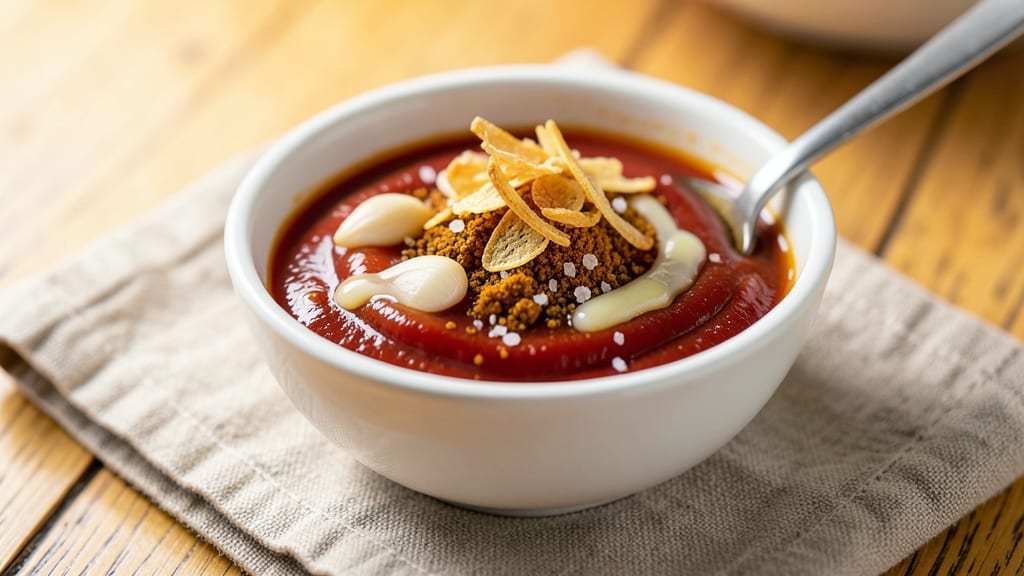
This Bangkok sauce recipe delivers the perfect balance of sweet, spicy, and umami in just 10 minutes—ideal for dipping spring rolls or elevating any Thai-inspired dish. The secret lies in combining fish sauce, ketchup, and vinegar for that signature tangy-sweet depth, while garlic and chili powder add layers of heat.
I developed this version after years of testing, ensuring every spoonful delivers restaurant-quality flavor without the fuss.
The beauty of Bangkok sauce is its versatility—it works as a dipping sauce for fried foods, a marinade for grilled meats, or even a quick stir-in for noodle dishes.
The ingredients are simple but powerful: fish sauce for umami, ketchup for sweetness, vinegar for acidity, and a touch of sugar to round out the flavors. This sauce stays fresh in the fridge for up to a week, making it a pantry staple for quick meals.
What makes this recipe stand out is the balance—just enough heat to wake up your taste buds without overpowering, and a smooth texture that coats every bite. The garlic and chili powder infuse subtle warmth, while the vinegar keeps the sauce bright and tangy.
Whether you're serving it with crispy spring rolls or drizzling it over a bowl of pad thai, this sauce will become your go-to flavor booster.
For best results, let the sauce sit for at least 30 minutes before serving—this allows the flavors to meld and deepen. Adjust the sweetness or spice to your preference, but remember: the key is harmony. Once you taste this homemade version, store-bought will never compare again.
Ingredients for bangkok sauce
Nine simple ingredients blend into a sauce that's restaurant-quality and ready in minutes.
| Ingredient | Amount | Notes |
|---|---|---|
| Fish Sauce 🍢 | ½ cup | Thai brand preferred for authentic flavor |
| Tomato Ketchup 🍅 | ½ cup | Heinz or similar smooth variety |
| Rice Vinegar 🍶 | ¼ cup | White or seasoned rice vinegar |
| Granulated Sugar 🍚 | ¼ cup | White or brown sugar works |
| Garlic Cloves 🧄 | 4 cloves | Minced finely for smooth texture |
| Chili Powder 🌶️ | 1 ½ tbsp | Adjust for preferred spice level |
| Salt 🧂 | 1 tsp | Kosher or sea salt preferred |
| Black Pepper 🌶️ | ½ tsp | Freshly ground for best flavor |
| Sesame Oil 🫒 | ½ tbsp | Toasted sesame oil for aroma |
Fish sauce is the heart of this recipe—Red Boat or Tiparos are my go-tos for that authentic umami punch. Grab the Thai brand if you can find it, but any good-quality fish sauce works. The ketchup might seem odd, but it's what gives Bangkok sauce that signature sweet-tangy balance. Heinz works perfectly, but any smooth, non-chunky ketchup is fine. For vinegar, stick with rice vinegar—white or seasoned both work, but avoid apple cider or balsamic. The sugar is key for rounding out the flavors, so don't skip it even if you're not sweet-toothed.
No fish sauce? Soy sauce plus a splash of oyster sauce gets you close, though it won't be identical. Running low on ketchup? Tomato paste thinned with vinegar works in a pinch. The garlic can be minced with a knife or pulsed briefly in a food processor—just don't over-blend or it'll turn to paste. For extra heat, swap chili powder for fresh red chili minced fine. The sesame oil is optional but adds that signature aroma—Trader Joe's or Costco usually have good prices. If you're making this ahead, let it sit for at least 30 minutes before using so the flavors meld properly.
This sauce keeps beautifully in the fridge for up to 1 week in an airtight container. I like to portion it into small jars so I can grab just what I need for dipping or marinating. If it thickens too much, just stir in a splash of water or vinegar. The flavors actually improve overnight, so it's perfect for making ahead. Freeze for up to 3 months if you want to stock up—just thaw in the fridge before using. Trust me, you'll want to make extra.
Why You'll Love This Recipe
- Pantry Magic: I swear by this sauce because it’s made with stuff I always have—fish sauce, ketchup, vinegar—no fancy shopping needed. Honestly, I’ve made it three times in a row when my fridge was bare, and it still saved dinner.
- Umami Bomb: That first hit of garlic and fish sauce? Pure flavor payoff. It’s sweet, tangy, and just salty enough to make your taste buds do a happy dance—no complicated balance needed.
- Dip or Drizzle: Slather it on grilled chicken, toss it with noodles, or use it as a quick marinade. Between us, I’ve even drizzled it over hard-boiled eggs for a lunch that’s weirdly addictive. Works for weeknights or when guests drop by.
- No-Waste Winner: A little goes a long way, and what’s left? It keeps for weeks in the fridge. I’ll be real: I’ve had this sauce linger for months, and it’s still the secret weapon for turning boring meals into something worth eating.
Step-by-step instructions for sweet, spicy Bangkok sauce
This sauce comes together faster than you can say "street food flavor."
Bloom the Chili Powder in Sesame Oil
Heat a small saucepan over medium-low heat and add the 0.5 tablespoon sesame oil. Once the oil shimmers but doesn't smoke (about 30 seconds), add the 1.5 tablespoons chili powder and stir constantly for 30 seconds until fragrant. You'll smell that deep, toasty aroma—this is where the chili's flavor really awakens.
The key here is to keep the heat low. If you let it get too hot, the chili powder will burn and turn bitter. You're looking for a gentle sizzle, not a flame. Remove the pan from heat immediately after the 30 seconds and set aside—you'll use this spiced oil in the next step.
Cook the Garlic Until Fragrant
In the same saucepan (no need to clean it—the flavor compounds are your friend), add the 4 minced garlic cloves and stir for 30 seconds over medium-low heat. The garlic should soften slightly but not brown—you want it to smell sweet and pungent, not bitter. If it starts to turn golden, you've gone too far.
Here's where it gets interesting: the garlic will release its oils and mingle with that spiced sesame oil you just made. This combination forms the aromatic base of your sauce. Don't rush this step—properly cooked garlic makes all the difference in the final flavor.
Combine Wet Ingredients and Simmer
Return the pan to medium heat and add the 0.5 cup fish sauce, 0.5 cup tomato ketchup, 0.25 cup rice vinegar, and 0.25 cup granulated sugar. Stir well to combine, then bring to a gentle simmer. You'll see bubbles forming around the edges—this is your signal that the sauce is coming together.
Let it simmer for 5-7 minutes, stirring occasionally, until the mixture thickens slightly. You're looking for a consistency that coats the back of a spoon but still flows freely. If it thickens too quickly, add 1-2 tablespoons water to loosen it. The sugar will help balance the acidity from the vinegar while the tomato ketchup adds that familiar umami depth.
Season and Finish with Spice
Remove the sauce from heat and stir in the 1 teaspoon salt and 0.5 teaspoon black pepper. Taste it now—this is your quality control moment. The sauce should be sweet, tangy, and spicy with a deep umami richness. If it needs more heat, add a pinch more chili powder. If it needs more sweetness, stir in a little more sugar.
Let the sauce rest for 5 minutes before using. This resting period allows all the flavors to meld together perfectly. The sauce will thicken slightly as it cools, so if you're using it immediately, you can thin it with a splash of water or rice vinegar to your preferred consistency.
Adjust and Serve
Give your sauce one final taste and make any last adjustments. Maybe it needs a touch more salt, or perhaps the vinegar's acidity could use balancing with a bit more sugar. Remember, the perfect sauce should sing with all its flavors—sweet, spicy, tangy, and umami all working together in harmony.
This Bangkok sauce makes an incredible dipping sauce for spring rolls, a glaze for grilled meats, or a flavorful addition to noodle dishes. Its versatility is what makes it so special—you'll find yourself reaching for this jar again and again. Store any leftovers in an airtight container in the refrigerator for up to 2 weeks, though I doubt it'll last that long!
Pro Tips For Making Bangkok Sauce
- Bloom the Garlic First: Toss minced garlic in a splash of rice vinegar and let it sit for 5 minutes before cooking—it mellows the sharpness and keeps it from burning into bitterness. I learned this the hard way when my sauce turned acrid after a pan full of charred garlic.
- Simmer, Don’t Boil: Keep the sauce at a gentle bubble—just enough to see tiny ripples—after adding sugar. Boiling turns it cloying, and you’ll end up with a syrup instead of that balanced, glossy Bangkok sauce. I used to rush it, and the texture suffered every time.
- Taste Before Sweetening: Check the acidity with just fish sauce and vinegar first, then add sugar to taste. Too much sugar upfront masks the fish sauce’s depth, and you’ll be stuck with a dessert-like glaze. I’ve adjusted three batches this way—trust your palate early.
- Use Warm Ketchup: Stir the tomato ketchup into the warm (not boiling) sauce to blend smoothly—cold ketchup clumps and separates like a sad, thick puddle. I was skeptical until I tried it, and now it’s non-negotiable for that silky finish.
Troubleshooting perfect results
Too Thin or Too Thick
The consistency of your Bangkok sauce should be smooth and pourable, like honey. If it turns out too thin, simmer it uncovered for an extra 2-3 minutes to reduce slightly.
For a thicker sauce, mix in 1 teaspoon cornstarch with 1 tablespoon water and stir until it reaches your desired thickness. I've found that adding the cornstarch slurry at the end helps maintain the sauce's balance while thickening it. 🥄
Fish Sauce Overpowering
If the fish sauce flavor dominates, balance it by adding ½ teaspoon more sugar or 1 tablespoon extra rice vinegar. The vinegar's acidity helps cut through the umami intensity while the sugar rounds out the flavors.
For a stronger umami boost without overpowering, add ½ teaspoon soy sauce instead. Taste as you go—this sauce is all about harmony!
Not Spicy Enough
If your sauce lacks heat, try adding ½ teaspoon more chili powder or a pinch of cayenne pepper for extra kick. For a smoky depth, stir in ¼ teaspoon smoked paprika.
I’ve also found that adding 1-2 thinly sliced fresh red chilis (removed after simmering) infuses subtle heat without altering the texture. Adjust gradually—spice builds up as the sauce cools.
Too Tangy or Sour
If the rice vinegar's acidity overpowers, balance it with 1 teaspoon more sugar or a splash of water to dilute slightly. For a richer taste, add ½ teaspoon more fish sauce to deepen the umami.
The key is to taste frequently—this sauce should be tangy but never overpoweringly sour. A pinch of salt can also help round out the flavors if needed.
Garlic Tasting Raw
If your garlic still tastes sharp or raw, cook it for an extra 15-30 seconds until it softens and releases its sweet aroma. For a smoother texture, blend the minced garlic with 1 tablespoon water before adding it to the pan.
I’ve also found that using garlic powder (½ teaspoon) as a partial substitute can prevent raw garlic flavors while adding depth.
Sauce Separating
If your sauce separates after refrigeration, gently reheat it over low heat while stirring constantly until smooth. For a quick fix, whisk in 1 teaspoon water or a pinch of cornstarch to help re-emulsify.
To prevent separation, avoid stirring vigorously while the sauce cools—let it settle naturally. This happens occasionally with high-fat sauces, but a gentle reheat usually restores its silky texture. 💫
Nutrition facts
Frequently asked questions
Can I make Bangkok sauce without fish sauce?
Yes, but the flavor will change significantly. Replace the 0.5 cup fish sauce with 0.3 cup soy sauce plus 0.2 cup oyster sauce for a similar umami depth. The sauce will taste more savory than traditional, but still delicious. For a vegetarian version, use 0.5 cup coconut aminos and add 1 teaspoon soy sauce to compensate for the missing saltiness.
How long does homemade Bangkok sauce last?
This sauce stays fresh in the fridge for up to 2 weeks when stored in an airtight container. The flavors actually improve over time as the ingredients meld together. For longer storage, freeze for up to 3 months—thaw in the refrigerator before using. The texture may thicken slightly after freezing, so thin with a splash of water or vinegar if needed.
What's the best way to use leftover Bangkok sauce?
This versatile sauce works as a dipping sauce for spring rolls, a marinade for grilled meats, or a stir-in for noodle dishes. Try drizzling it over pad thai, mixing into stir-fries, or using as a glaze for baked tofu. The sauce also makes an excellent base for quick sauces—just thin with water or vinegar and add fresh herbs like cilantro or Thai basil for extra brightness.
Can I make Bangkok sauce spicier? For extra heat, add ½ teaspoon cayenne pepper or 1-2 thinly sliced fresh red chilis (remove after simmering). For a smoky kick, stir in ¼ teaspoon smoked paprika.
Why does my Bangkok sauce look cloudy?
Cloudiness usually means the sauce needs more simmering time to fully emulsify. Return it to low heat and stir constantly for 2-3 extra minutes until smooth. If it still looks uneven, whisk in 1 teaspoon water or a pinch of cornstarch to help bind the ingredients. The sauce should thicken slightly and become glossy as it cools—this indicates proper emulsification.