
Sauces & Condiments
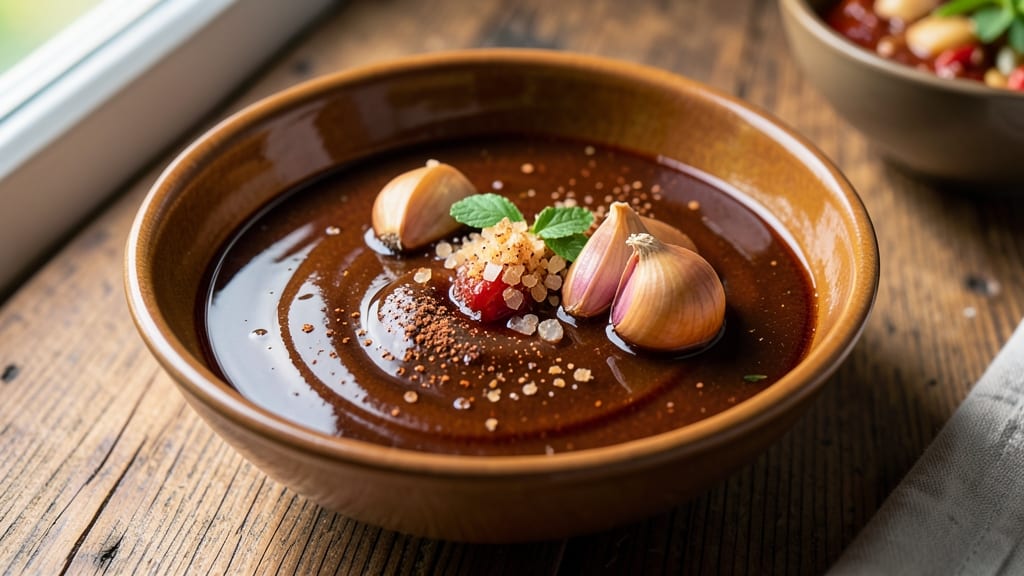
This barbecue marinade sauce recipe transforms tough cuts into melt-in-your-mouth tenderness with every brush. 🔥 The secret lies in its balanced blend of sweet, smoky, and tangy flavors that penetrate deep while caramelizing the surface—something I perfected after years of slow-cooking ribs and experimenting with French technique meets American pitmaster tradition.
The sauce's magic comes from a precise ratio of molasses, apple cider vinegar, and smoked paprika that creates a dual-purpose marinade and glaze. It tenderizes proteins like beef brisket or pork shoulder while building that coveted bark, and it works just as well on chicken thighs or even hearty vegetables.
No fancy equipment needed—just a bowl, whisk, and patience for the flavors to meld.
What you'll achieve is restaurant-quality depth in every bite: rich, smoky undertones from the spices, a touch of sweetness from the molasses, and bright acidity that cuts through the richness.
The sauce doubles as a finishing glaze after grilling, adding extra caramelized layers. It's the kind of flavor that turns weeknight dinners into memorable meals.
Store it in the fridge for up to two weeks or freeze for months—this marinade becomes even more complex with time as the flavors develop. Whether you're prepping for a backyard cookout or simply elevating your weeknight proteins, this sauce delivers professional results with minimal effort.
Let's get started on creating it.
Ingredients for barbecue marinade sauce
Nine ingredients blend into a sauce that tenderizes, smokes, and caramelizes like a pitmaster's secret.
| Ingredient | Amount | Notes |
|---|---|---|
| Molasses 🍯 | ½ cup | Unsulfured for best flavor |
| Apple Cider Vinegar 🍏 | ⅓ cup | Raw and unfiltered preferred |
| Smoked Paprika 🌶️ | 2 tbsp | High-quality smoked variety |
| Brown Sugar 🍚 | ¼ cup | Light or dark works |
| Garlic Cloves 🧄 | 4 cloves | Freshly minced for depth |
| Onion Powder 🧅 | 1 tbsp | Freshly ground preferred |
| Ground Black Pepper 🌶️ | 1 tsp | Freshly cracked for heat |
| Salt 🧂 | 1 ½ tsp | Kosher or sea salt |
| Extra-Virgin Olive Oil 🫒 | ¼ cup | For richness and moisture |
| Fresh Ground Mustard 🌿 | 1 tbsp | Dijon preferred for tang |
The molasses is where the magic starts—Goya or Brer Rabbit are my go-tos for that deep, rich flavor. Apple cider vinegar should be raw and unfiltered (none of that pasteurized stuff)—Bragg or Angry Orchard work perfectly. For smoked paprika, Penzeys or the bulk bins at Whole Foods give you the most authentic smoke flavor. Brown sugar here isn't just for sweetness—it helps caramelize during grilling, creating that coveted bark. Fresh garlic and onion powder? Don't skip them—they build the aromatic foundation that makes this sauce work on everything from ribs to chicken.
No molasses? Maple syrup at half the amount works in a pinch, though it lacks that deep, almost bitter complexity. Vinegar substitute? Lemon juice or balsamic vinegar—but the acidity won't be quite the same. Smoked paprika too expensive? Regular paprika plus a pinch of liquid smoke (about 1/4 tsp) gets you close. The mustard is non-negotiable for that tangy kick—Dijon-style is best, but yellow mustard in a squeeze bottle works if that's what you've got. Olive oil matters here too—avoid light or refined oils that lack flavor. And if you're worried about the sugar burning during grilling, brush on a thin layer first, then let it caramelize gradually.
This sauce keeps beautifully—two weeks in the fridge and six months in the freezer. I like to make a big batch and freeze it in ice cube trays (yes, really), then transfer the cubes to a bag. That way, you can grab just what you need for a quick marinade or glaze. If you're prepping for a cookout, let the sauce sit at room temperature for 30 minutes before using—it develops even more depth. And pro tip: shake it well before each use. The spices settle, and you want that even distribution every time.
Why You'll Love This Recipe
- Five-Ingredient Magic: I swear, this sauce comes together faster than I can say "garlic cloves." Just toss those pantry staples—molasses, vinegar, paprika—into a saucepan and let them simmer. No chopping, no fuss, and no measuring cups that won’t fit.
- Smoky-Sweet Obsession: That deep molasses caramelizes into something rich, while the vinegar keeps it bright and tangy. Add a pinch of smoked paprika? Suddenly, your chicken, ribs, or even roasted veggies taste like they’ve been slow-smoked all day. (Yes, even on a Tuesday night.)
- Weeknight Wonder: Slather it on grilled salmon for dinner, drizzle it over baked beans for lunch, or toss it with roasted potatoes for a side. The same batch of sauce works for breakfast tacos, Sunday BBQ, or a quick weeknight stir-fry. Honestly, I’ve used it on everything.
- Leftovers That Pay Off: Make a big batch—it keeps for weeks in the fridge—and suddenly, you’ve got a secret weapon for lazy days. A spoonful here, a splash there, and you’re saving money while keeping meals exciting. (Between us, my grocery bill dropped after I started doubling the recipe.)
Step-by-step instructions for smoky barbecue marinade sauce
Here's how to craft a marinade that transforms tough cuts into melt-in-your-mouth perfection.
🍳 Step 1: Bloom the Spices in Olive Oil
Heat 0.25 cup extra-virgin olive oil in a medium saucepan over medium-low heat. Add the 2 tbsp smoked paprika and 1 tbsp onion powder, stirring constantly for 1 minute until the spices release their aromatic oils and the mixture smells deeply smoky. This step is crucial—it develops the foundation of your sauce's complex flavor profile.
Watch carefully as the spices toast—if they darken too quickly, reduce the heat immediately. You're looking for a rich, earthy aroma that fills your kitchen. Remove the pan from heat once the spices are fully bloomed but not yet browned. Here's the thing—this initial step prevents bitterness later and ensures your marinade has that professional-grade depth.
🍳 Step 2: Add Molasses and Brown Sugar
Return the pan to medium heat and add the 0.5 cup molasses and 0.25 cup brown sugar. Stir vigorously for 2-3 minutes until the sugars begin to caramelize and the mixture thickens slightly. You'll notice the sauce darken and develop a glossy sheen—this is when the magic happens for tenderizing and caramelization.
Don't walk away. The molasses and sugar need constant attention to prevent burning. I like to use a wooden spoon here—it helps scrape up any browned bits from the bottom of the pan, which are packed with flavor. This combination creates the perfect balance of sweetness and smokiness that will penetrate your meat beautifully.
🍳 Step 3: Incorporate Acidity and Aromatics
Reduce heat to low and stir in the 0.33 cup apple cider vinegar, 1 tbsp fresh ground mustard, 4 cloves minced garlic, 1.5 tsp salt, and 1 tsp ground black pepper. The vinegar will cause the mixture to bubble vigorously—this is normal and actually helps distribute all the flavors evenly. Let it simmer gently for 5 minutes, stirring occasionally.
Here's where the sauce comes together. The acidity from the vinegar brightens the sweetness while the mustard adds tangy depth. The garlic and pepper infuse their flavors as the mixture warms through. You'll notice the sauce thicken slightly as it reduces—this is exactly what you want for a marinade that clings beautifully to your meat.
⏰ Step 4: Cool and Rest for Maximum Effect
Remove the pan from heat and let the sauce cool completely at room temperature for 30 minutes. This resting period allows all the flavors to meld together and the spices to fully infuse. I know it's tempting to use it immediately, but patience here makes all the difference—your meat will absorb the marinade more effectively and develop deeper flavor.
Once cooled, transfer the marinade to a clean jar or airtight container. It will keep in the refrigerator for up to 2 weeks, making it perfect for meal prep. The sauce should be thick enough to coat the back of a spoon but still pourable. If it's too thick after cooling, you can thin it slightly with a splash of water or additional vinegar to reach your desired consistency.
Pro Tips For Making Barbecue Marinade Sauce
- Simmer the Molasses: I learned this the hard way—dumping cold molasses straight into the sauce makes it clump like glue. Warm it in a small pot over low heat first, stirring until it’s fluid. This also helps the flavors meld faster, so you’re not left with that weirdly sweet, unmixed blob at the bottom.
- Toast the Garlic: Skip the raw cloves—smashed or minced garlic burns fast and turns bitter. Lightly toast whole garlic cloves in a dry pan over medium heat for 2-3 minutes until golden and fragrant. Then smash them with the flat of your knife; the depth of flavor is night and day.
- Balance the Vinegar: Too much apple cider vinegar and your sauce tastes like a science experiment gone wrong. Start with ¼ cup, taste as you go, and add more only if needed. If it’s too sharp, a pinch of brown sugar or a splash of water can dial it back without losing the tang.
- Strain the Paprika: Smoked paprika has a sneaky habit of clumping into gritty lumps if not handled right. Whisk it into a little warm water first to dissolve, then stir it into the sauce. This keeps your marinade silky smooth—no one wants to bite into a texture like sandpaper.
Pro cooking tips for barbecue marinade sauce
Spice Bloom Mastery
That initial 1-minute spice bloom in olive oil is where the sauce's soul develops. I learned this from my French technique training—blooming spices in fat unlocks their full aromatic potential. Use a medium-low heat to prevent burning while stirring constantly with a wooden spoon.
The moment you smell that deep, smoky aroma, you know it's working. I've seen home cooks skip this step, and their marinades always lack that professional depth. 🔥
Molasses Caramelization
The molasses and brown sugar need your undivided attention during those 2-3 minutes of caramelization. This isn't just about sweetness—it's about creating the building blocks for that beautiful bark on your meat. I've had batches where I got distracted and ended up with bitter over-caramelization.
If your sauce starts to darken too quickly, immediately reduce heat or remove from heat entirely. The goal is a glossy, amber-colored sauce that's thickened but still pourable.
Acid Balance Trick
The apple cider vinegar might make your sauce bubble like a volcano when you add it, but don't be alarmed—this is actually helping distribute all those flavors. After adding the vinegar, let it simmer gently for 5 minutes while stirring occasionally.
This is where the sauce transforms from a simple marinade to something truly special. The acidity brightens the sweetness while the mustard adds that essential tang that cuts through the richness.
I always taste at this stage to check the balance—adjust with more vinegar if it needs brightness or more sugar if it's too sharp.
Resting Period
I know it's tempting to grab that freshly made marinade and start slathering it on your meat, but 30 minutes of resting is non-negotiable. This cooling period allows all the components to fully meld together. The spices settle, the flavors integrate, and the sauce reaches its optimal consistency.
I've made this mistake before—using it immediately—and the results were always less impressive. The patience pays off with meat that's properly tenderized and infused with maximum flavor.
Consistency Control
After cooling, your sauce should be thick enough to coat the back of a spoon but still pourable. If it's too thick, thin it with 1-2 teaspoons of water or additional vinegar. The perfect consistency ensures even distribution when brushing on meat or using as a glaze.
I've found that storing it in a glass jar with a tight-sealing lid helps maintain this consistency over time. The sauce actually improves with age—something I discovered after making a batch that sat in my fridge for three weeks and tasted even better than when it was fresh. ✨
Equipment Shortcuts
You don't need fancy equipment to make this marinade work. A simple medium saucepan works perfectly, but if you're making large batches, I recommend a heavy-bottomed pot like a Le Creuset Dutch oven to prevent hot spots.
For stirring, a wooden spoon is ideal, but any heat-safe utensil will do. The key is constant attention during the caramelization stage. I've made this sauce on campfires using cast iron skillets, and it turns out just as well as in my kitchen.
The technique matters more than the equipment. 💪
Nutrition facts
Frequently asked questions
Can I use this marinade sauce on vegetables?
This sauce works beautifully on hearty vegetables like eggplant, bell peppers, and portobello mushrooms. For best results, toss them in the sauce for 15-20 minutes before grilling or roasting. The sweet and smoky flavors caramelize perfectly on vegetables, creating a delicious glaze. Just be mindful that vegetables cook faster than meat, so keep an eye on them.
How long should I marinate meat in this sauce?
For tender cuts like chicken thighs or pork chops, 4-6 hours is ideal. Tougher cuts such as beef brisket or pork shoulder benefit from overnight marinating (8-12 hours) in the fridge. Never exceed 24 hours as prolonged marinating can make meat mushy. Always pat the meat dry before cooking for better searing and bark formation.
Can I make this sauce without molasses?
Yes, but the flavor will be different. Substitute with half the amount of maple syrup (about 0.25 cup) for a similar sweetness level, though it lacks molasses' deep complexity. For a smokier profile without molasses, increase the smoked paprika to 3 tbsp and add 1/4 tsp liquid smoke. The sauce will still work but won't have that signature rich depth.
How do I prevent burning when caramelizing the molasses?
Watch the heat closely! Use medium heat and stir constantly with a wooden spoon. If the sauce starts to darken too quickly, immediately reduce heat or remove from heat entirely. The molasses should caramelize gradually over 2-3 minutes. I've found that using a heavy-bottomed pan helps distribute heat more evenly, preventing hot spots that can cause burning.
Can I use this sauce as a finishing glaze?
Absolutely—it's perfect for that final touch! Brush the sauce on meat during the last 5-10 minutes of grilling or roasting. The sugars will caramelize beautifully, creating a glossy glaze. For extra drama, reduce the sauce by half on the stovetop before applying, which intensifies the flavors and creates a thicker, stickier glaze that clings to the meat.