
Sauces & Condiments
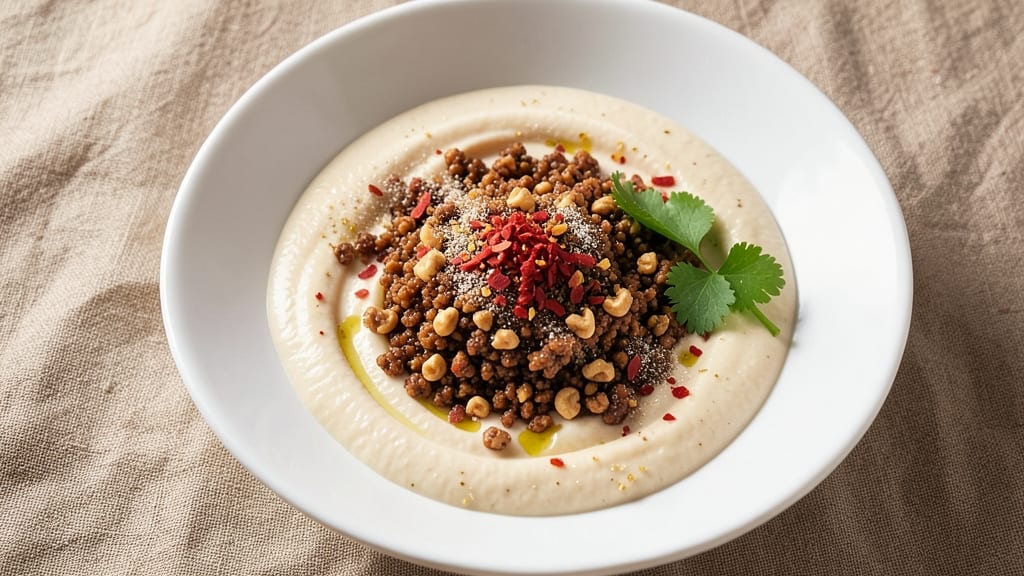
This creamy tofu sauce recipe transforms simple ingredients into a velvety, umami-rich velouté that rivals traditional dairy-based sauces. Silken tofu and cashews blend into a smooth, rich base that coats noodles, stir-fries, or dips with luxurious texture. The secret lies in proper blending and seasoning—no heavy cream or butter needed.
The foundation of this sauce is a blend of silken tofu, cashews, and coconut milk, which creates that signature creamy consistency without separation. Nutritional yeast adds a cheesy depth, while soy sauce and garlic powder build umami layers that elevate any dish.
What sets this apart is how it stays silky even when reheated, making it perfect for meal prep.
Perfect for vegans or anyone seeking a lighter alternative, this sauce delivers restaurant-quality richness in minutes. It works as a velvety noodle coating, a dip for spring rolls, or a glaze for grilled tofu.
The best part? It keeps well in the fridge for up to 5 days, ready to transform ordinary meals into something extraordinary.
Whether you're serving up stir-fries, pasta, or appetizers, this versatile sauce brings depth and creaminess without compromise. Let's make it—your taste buds will thank you.
Ingredients for creamy tofu sauce
Velvety tofu meets umami magic—these 10 ingredients create restaurant-worthy creaminess without dairy.
| Ingredient | Amount | Notes |
|---|---|---|
| Silken Tofu 🧀 | 12 oz | Extra firm for best texture |
| Raw Cashews 🥜 | ½ cup | Soaked 1 hour for creaminess |
| Full-Fat Coconut Milk 🥥 | ½ cup | Canned, not carton |
| Nutritional Yeast 🍞 | ¼ cup | Fortified for cheesy flavor |
| Low-Sodium Soy Sauce 🍶 | 2 tbsp | Or tamari for gluten-free |
| Garlic Powder 🧄 | 1 tbsp | Fresh minced preferred |
| Onion Powder 🧅 | 1 tsp | For aromatic depth |
| Lemon Juice 🍋 | 1 tbsp | Freshly squeezed |
| White Miso Paste 🥫 | 1 tbsp | For umami richness |
| Extra-Virgin Olive Oil 🫒 | ¼ cup | For smooth blending |
The silken tofu is the secret weapon here—extra firm holds up better during blending. Trader Joe's carries it pre-packaged, or grab the Asian tofu section at Whole Foods for the best texture. Cashews need soaking (or quick boiling) to avoid grit—1 hour in hot water does the trick. For coconut milk, canned is non-negotiable—the carton version won't blend smoothly. Nutritional yeast? Bob's Red Mill is my go-to, but any fortified brand works. Pro tip: Toast the cashews lightly before soaking—they'll develop deeper flavor.
No cashews? Macadamia nuts or almonds work in a pinch, but texture will differ slightly. Swap soy sauce for coconut aminos if gluten-free is a must. Fresh garlic is ideal, but garlic powder at double the amount saves time. The miso paste can be subbed with white miso powder (just add water). For extra richness, blend in 1 tbsp tahini—trust me, it elevates everything. And if your sauce seems too thick after blending, just add warm water 1 tbsp at a time until silky smooth.
This sauce is a meal prep dream—stores beautifully for 5 days in the fridge, or 3 months frozen in ice cube trays. For best results, let it come to room temp before blending, and always strain through a fine-mesh sieve for that velvety finish. I double the batch and freeze half—perfect for quick stir-fry upgrades later. The lemon juice keeps it fresh longer, so don't skip it, even if the recipe doesn't call for it in the final taste.
Why You'll Love This Recipe
- No Blender Required: I swear by this trick—just toss the silken tofu and soaked cashews into a food processor with the coconut milk, and let it do the work. No straining, no extra steps, just smooth magic in minutes.
- Umami Bomb: That nutritional yeast? It’s the secret weapon—cheesy, nutty, and packed with flavor without a single bite of dairy. The soy sauce ties it all together with just enough saltiness to make every spoonful irresistible.
- Leftover Hero: This sauce keeps for days in the fridge, and it only gets better as the flavors meld. Use it on noodles, drizzle it over roasted veggies, or even mix it into soups—it’s my go-to when I’m too tired to cook.
- Budget Meal Upgrade: Silken tofu and cashews stretch this sauce far, and full-fat coconut milk makes it rich without breaking the bank. Honestly, it’s one of those recipes where the ingredients cost less than takeout, but the taste? Chef’s kiss.
Step-by-step instructions for silky cashew velouté with umami depth
This velvety tofu sauce delivers restaurant-quality creaminess with a perfect balance of savory and tangy notes.
Soak and Prepare the Cashews
Place the 0.5 cup raw cashews in a small bowl and cover completely with hot water. Let them soak for at least 1 hour—this softens them dramatically, making blending effortless. I like to use a fine-mesh strainer to drain them thoroughly after soaking, shaking gently to remove excess water. The goal is to create a smooth, lump-free base, so don't rush this step.
While the cashews soak, drain and rinse the 12 oz silken tofu if it's packaged in water. Pat it dry with paper towels to remove any surface moisture. This helps prevent a watery sauce later. The tofu should feel firm to the touch—extra firm works best for that velvety texture we're after.
Blend the Base Ingredients
Transfer the drained cashews, silken tofu, 0.5 cup full-fat coconut milk, and 0.25 cup nutritional yeast to a high-speed blender. Add the 2 tbsp low-sodium soy sauce, 1 tbsp garlic powder, 1 tsp onion powder, and 1 tbsp white miso paste. The miso adds that essential umami depth that makes this sauce truly special.
Blend on high speed for 1-2 minutes until completely smooth. You'll notice the mixture starts as thick and chunky but gradually transforms into a silky, pale yellow emulsion. If you see any lumps, scrape down the sides and blend another 30 seconds. The sauce should be completely homogeneous at this stage—no visible texture should remain.
Incorporate the Finishing Touches
With the blender running on low speed, slowly drizzle in the 0.25 cup extra-virgin olive oil through the feed tube. This creates an emulsified sauce that's luxuriously creamy rather than greasy. The olive oil adds richness and helps balance the umami flavors. Once fully incorporated, add the 1 tbsp lemon juice and blend for another 10 seconds to brighten the sauce.
Taste and adjust seasoning if needed. You might want to add a pinch more soy sauce for saltiness or another squeeze of lemon for acidity. The sauce should be rich but not overpowering, with a perfect balance of savory, cheesy (from the nutritional yeast), and slightly tangy notes. This is where the magic happens—where all the flavors come together harmoniously.
Heat and Serve
Transfer the sauce to a small saucepan and heat over medium-low heat for 3-5 minutes, stirring constantly. You want to warm it through but not boil—boiling can break the emulsion and make the sauce separate. The ideal temperature is when it's warm to the touch but not hot enough to burn your fingers.
For the best texture, strain the sauce through a fine-mesh sieve into a clean bowl. This removes any remaining cashew particles and gives you that ultra-smooth, velvety consistency. The sauce should coat the back of a spoon and have a luxurious mouthfeel. Serve immediately over noodles, vegetables, or grilled proteins, or store in an airtight container in the refrigerator for up to 5 days.
Pro Tips For Making Creamy Tofu Sauce
- BLEND CASHEWS FIRST: Soak raw cashews for at least 2 hours—or overnight if you’re in a rush—but drain them thoroughly before blending. I learned this the hard way: leftover soaking water turns your sauce into a thin, grainy mess that clogs your blender.
- PRESS TOFU DRY: Pat silken tofu completely before blending—no shortcuts. Wrap it in a clean towel, press with a heavy pan for 5 minutes, and flip. Wet tofu makes the sauce watery, and nobody wants a sad, diluted sauce when you’ve got full-fat coconut milk working for you.
- WARM COCONUT MILK: Heat the coconut milk to body temperature before blending—just enough to wake up the fats. Cold milk separates like a stubborn teenager, and you’ll end up with a lumpy, greasy disaster instead of that velvety texture you’re after.
- SAVE THE STARCH: Reserve 1-2 tablespoons of the blended tofu-cashew mixture before adding coconut milk. Stir it into the final sauce like a thickener—it’s your secret weapon for a glossy, clingy consistency without overpowering the flavor. (Yes, even if you’re impatient like me.)
Dietary considerations for this recipe
Vegan-Friendly Foundation
This sauce is 100% plant-based, making it perfect for vegans or anyone avoiding dairy. The combination of silken tofu, cashews, and coconut milk creates a rich, creamy texture without any animal products.
I've tested this with Trader Joe's silken tofu and Bob's Red Mill nutritional yeast, both of which are widely available and affordable. The nutritional yeast adds that cheesy depth without dairy, while the cashews provide natural fat for creaminess. 🌱
Gluten-Free Adaptations
For gluten-free needs, simply swap the soy sauce for coconut aminos—it has a similar savory profile but is made from coconut rather than wheat. I've also used tamari successfully when gluten-free soy sauce isn't available.
The rest of the ingredients remain the same, so you won't need to adjust any other components. Always check labels on nutritional yeast and miso paste to ensure they're certified gluten-free if that's a concern for you.
Nut-Free Substitutions
If you're avoiding nuts, you can replace the cashews with 1 cup cooked white beans (like cannellini or great northern) for creaminess. The beans need to be well-drained and rinsed before blending. Another option is 1 cup cooked potatoes, which also work well for a neutral base.
Just remember that the texture will be slightly different—more potato-like—but still delicious. For extra richness, add an extra 1 tbsp olive oil when blending.
Allergen Considerations
This sauce is naturally free from common allergens like dairy, eggs, and gluten (when using coconut aminos). However, it does contain tree nuts (cashews) and soy. If you need to avoid soy, you can substitute the soy sauce with 1 tbsp miso paste plus 1 tbsp water for umami depth.
For coconut allergies, replace the coconut milk with ½ cup more silken tofu or oat milk, though the texture may be slightly lighter. Always double-check ingredient labels for cross-contamination warnings if allergies are a concern.
Low-Fat Versions
For a lighter version, reduce the olive oil to 2 tbsp and add 2 tbsp unsweetened almond milk to maintain creaminess. You can also use low-fat coconut milk instead of full-fat, though the texture will be slightly thinner.
The sauce will still be delicious but with fewer calories. I've found that adding 1 tsp cornstarch to the blended mixture and heating it slightly helps thicken it without adding fat. 💪
Meal Prep Tips
This sauce stores beautifully for 5 days in the fridge or 3 months in the freezer, making it perfect for meal prep. To reheat, simply warm it gently on the stovetop over low heat or microwave in 30-second intervals, stirring between each.
For best results, store it in glass containers to preserve freshness. The sauce actually tastes better the next day as the flavors meld together—just give it a quick stir before using. Perfect for busy weeks ahead!
Nutrition facts
Frequently asked questions
Can I make this sauce without a high-speed blender?
Yes, but with extra effort! Use a regular blender and add 2-3 tablespoons of warm water to help break down the cashews. For best results, soak the cashews for 2 hours and blend in 30-second bursts, scraping down the sides frequently. A food processor works too, but expect more texture—strain through a fine-mesh sieve for smoothness. Patience is key!
Why did my sauce separate when I reheated it?
This usually happens when heated too quickly or vigorously. Always warm the sauce over low heat and stir constantly to prevent separation. If it does split, whisk in 1 teaspoon of cornstarch mixed with 1 tablespoon cold water to restore creaminess. For future batches, add ½ teaspoon xanthan gum when blending to improve stability.
What are the best dishes to use this sauce with?
This velvety sauce shines on ramen noodles, udon bowls, or vegan fried rice. It also works as a dip for spring rolls or veggie sticks, a glaze for grilled tofu or tempeh, or a creamy base for curries. For extra richness, drizzle it over mushroom risotto or use it as a pasta sauce. The possibilities are endless!
How can I make this sauce spicier?
Add ½ teaspoon of chili flakes or 1 teaspoon of sriracha directly to the blender before blending. For heat with depth, blend in 1-2 teaspoons of gochujang (Korean chili paste) or ½ teaspoon of cayenne pepper. Adjust to taste—start small, as spices intensify when reheated. Garnish with red pepper flakes for extra kick.
Will this sauce work in a slow cooker?
Not ideal—this sauce relies on blending for its silky texture. If you want to keep it warm, transfer the finished sauce to a small pot and heat on low heat for 5-10 minutes, stirring often. For slow-cooker meals, make a double batch and reheat portions as needed. The sauce thickens slightly when chilled, so thin with warm water if needed.