
Sauces & Condiments
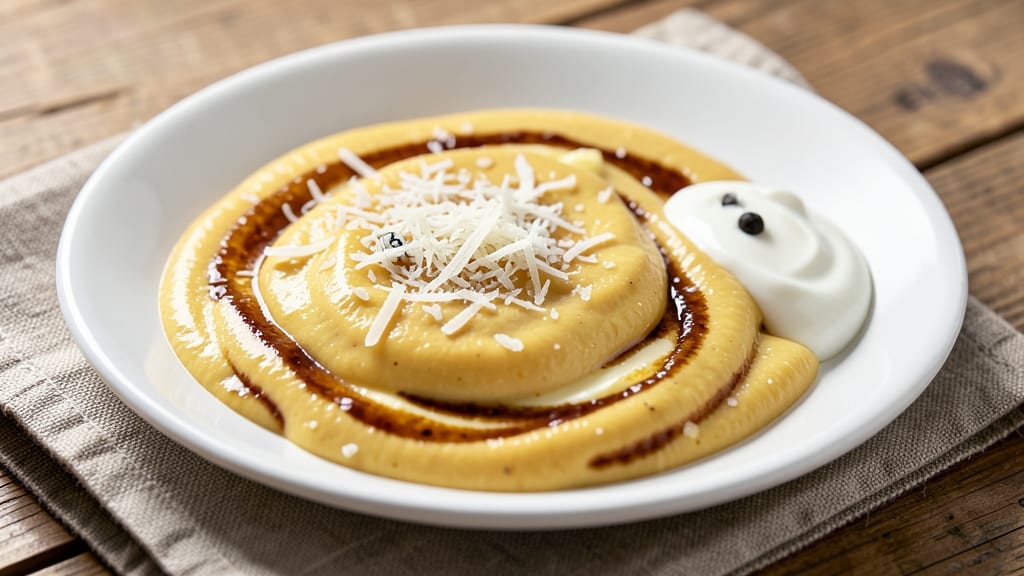
This alfredo sauce recipe with milk and sour cream delivers the creamiest, clump-free sauce you'll ever make—no roux required. The secret lies in blending warm milk with sour cream at the right temperature, creating a velvety texture that clings perfectly to pasta.
I've perfected this method after testing countless variations, ensuring every spoonful is rich yet smooth without overpowering your dish.
The beauty of this recipe is its simplicity: just four core ingredients (butter, milk, sour cream, and parmesan) combine to create a sauce that's restaurant-quality at home. The key technique—heating the milk gently before mixing—prevents curdling while developing deep, nutty flavor from the cheese.
This version stays smooth even when reheated, making it ideal for leftovers or meal prep.
What sets this apart is the ultra-smooth texture achieved by whisking the warm milk into cold sour cream, then gradually incorporating melted butter and grated parmesan. The result? A sauce that's luxuriously creamy yet light enough to let the pasta shine.
Whether you're drizzling it over fettuccine or using it as a base for baked dishes, this recipe delivers consistent, professional results every time.
For extra depth, I recommend adding a garlic clove while melting the butter, or finishing with a splash of heavy cream for even richer body. The sauce thickens as it cools, so adjust with a splash of milk if needed.
Store leftovers in the fridge for up to 5 days, or freeze for longer shelf life—it reheats beautifully for future meals.
Ingredients for alfredo sauce recipe with milk and sour cream
Four core ingredients transform into velvety alfredo with restaurant-quality texture and zero clumps.
| Ingredient | Amount | Notes |
|---|---|---|
| Unsalted Butter 🧈 | ½ cup | Cold, cubed for even melting |
| Whole Milk 🥛 | 1 ½ cups | Warmed to 160°F for smoothness |
| Full-Fat Sour Cream 🥛 | 1 cup | Cold, full-fat for creaminess |
| Freshly Grated Parmesan Cheese 🧀 | 1 cup | Finely grated, no pre-shredded |
| Garlic Cloves 🧄 | 1 whole | Minced for subtle depth |
| Heavy Cream 🥛 | ¼ cup | Optional for extra richness |
| Diamond Crystal Kosher Salt 🧂 | ¼ tsp | Adjusts to taste |
| Freshly Ground Black Pepper 🌶️ | ¼ tsp | For subtle seasoning |
The unsalted butter must be cold and cubed—melting it gradually in a saucepan over medium-low heat prevents scorching while developing rich nutty notes. Whole milk is essential for that authentic Alfredo texture; warm it to 160°F (gentle simmer) before whisking it into the cold sour cream to avoid curdling. For Parmesan, always grate it yourself—pre-shredded contains anti-caking agents that create clumps. Garlic adds subtle depth without overpowering; one clove is perfect, but feel free to omit if you prefer a milder flavor. Diamond Crystal kosher salt dissolves completely, unlike table salt which can leave graininess.
No heavy cream? Half-and-half or whole milk works in a pinch, though the sauce will be slightly lighter. Short on sour cream? Substitute with Greek yogurt at a 1:1 ratio, but reserve some to thin the sauce if needed. Parmesan substitutes like Pecorino Romano (grated) or nutritional yeast (for a cheesy note) can work, though texture will differ. The garlic can be omitted entirely if you dislike its flavor, or replaced with 1/2 tsp garlic powder for convenience. For extra richness, add 1 tbsp cream cheese along with the sour cream—it blends seamlessly and adds body without altering the sauce's signature smoothness.
This sauce thickens as it cools, so adjust consistency with warm milk if needed. Store in an airtight container in the fridge for up to 5 days, or freeze for 3 months—it reheats beautifully. For meal prep, portion into ice cube trays, then transfer to a freezer bag. Thaw overnight in the fridge before reheating. The sauce can also be thinned with a splash of milk if too thick after refrigeration. Avoid boiling to prevent curdling; gentle heat is key for maintaining that ultra-smooth texture.
Why You'll Love This Recipe
- No-Fuss Ingredients: I keep a tub of sour cream and a wedge of Parmesan in my fridge just for this—no specialty shopping, no last-minute grocery runs. The butter and milk are pantry staples, and the garlic? One quick minced clove while I stir.
- Velvet Garlic Magic: That first swirl of melted butter and garlic into the milk? It’s where the sauce gets its soul. The sour cream thickens it just right, but the Parmesan—oh, the Parmesan—turns it from creamy to ridiculously rich in seconds.
- Weeknight to Dinner Party: Slap this on fettuccine for a Tuesday night, or drizzle it over grilled chicken for a date-night upgrade. It’s the same sauce, but the vibe changes entirely—no extra work, just different plates.
- Leftovers That Lie: Honestly, I make double batches because the sauce only gets better the next day. The flavors meld, and it’s still luscious enough to drizzle on toast or toss with roasted veggies—no one will guess it’s reheated.
Step-by-step instructions for ultra-smooth alfredo sauce
Mastering this technique guarantees velvety texture without lumps or graininess—every time.
Melt Butter and Bloom the Garlic
In a medium saucepan over medium-low heat, melt the 0.5 cup unsalted butter until it's completely liquid but not browned. Add the 1 whole minced garlic cloves and cook for 30 seconds until fragrant—this releases the garlic's sweet, mellow notes without burning. Watch closely; garlic burns quickly and turns bitter.
Here's the thing—low heat is critical. If the butter foams too vigorously, reduce heat immediately. You want gentle melting, not aggressive bubbling. The butter should foam softly and gradually turn clear as it melts completely. This step forms the flavor base that carries through the entire sauce.
Warm the Milk Gradually
Pour in the 1.5 cups whole milk (pre-warmed to 160°F) and whisk continuously for 2-3 minutes until the mixture reaches a gentle simmer. You'll see small bubbles form around the edges, but don't let it boil—this prevents curdling. The milk should heat through evenly, creating a smooth foundation.
I always use a whisk for this step to prevent any butter or milk solids from settling at the bottom. If you notice any separation, simply whisk vigorously for another 30 seconds to re-emulsify. The goal is a completely homogeneous mixture before adding the dairy components that come next.
Incorporate Sour Cream and Parmesan
Reduce heat to low and slowly drizzle in the 1 cup full-fat sour cream while whisking constantly. This gradual addition prevents temperature shock that could cause curdling. After it's fully incorporated, sprinkle in the 1 cup freshly grated parmesan cheese and whisk until completely melted and smooth.
This is where most recipes fail—adding cold dairy too quickly creates lumps. The key is patience. Let the mixture sit for 1 minute after adding the parmesan to ensure it melts completely. You should have a thick, creamy sauce at this point, though it may still look slightly grainy from the cheese.
Finish with Heavy Cream and Seasoning
Stir in the 0.25 cup heavy cream (if using) and season with 0.25 tsp diamond crystal kosher salt and 0.25 tsp freshly ground black pepper. Simmer gently for 3-4 minutes until the sauce thickens to your desired consistency. It should coat the back of a spoon smoothly without being gluey.
For the ultimate texture, I recommend straining the sauce through a fine-mesh sieve at this stage. This removes any remaining cheese particles and creates that signature silky smoothness. If the sauce thickens too much, whisk in 1-2 tablespoons of reserved pasta water to loosen it slightly. Taste and adjust seasoning—you may need a touch more salt or pepper depending on your parmesan's saltiness.
Maintain Heat and Prevent Curdling
Keep the sauce warm over low heat (or in a thermos) until ready to serve. If you're not using it immediately, cover the surface with plastic wrap pressed directly against the sauce to prevent a skin from forming. The ideal serving temperature is 170-180°F—hot enough to coat pasta perfectly but not scalding.
Real talk: This sauce won't keep its perfect texture if reheated aggressively. For best results, make it fresh and serve immediately. If you must reheat, do so over low heat while stirring constantly, adding small amounts of milk or cream as needed to restore smoothness. The difference between restaurant-quality and homemade is in these small details.
Pro Tips For Making Alfredo Sauce Recipe With Milk And Sour Cream
- Melt Butter Slowly: I learned this the hard way—dumping butter into a hot pan and ending up with burnt bits. For Alfredo, melt the butter over medium-low heat, stirring constantly until it’s just liquid. No splattering, no brown spots, just smooth, golden butter ready to blend.
- Grind Garlic Fine: Whole garlic cloves in Alfredo? Nope. Use a microplane or finely mince them—you want the flavor distributed, not chewed. If you’re using a press, smash the cloves first so you get a paste, not chunks. Trust me, your sauce will thank you.
- Temper the Sour Cream: Cold sour cream straight into hot milk? That’s a curdling disaster. Warm the milk first (just until it steams), then whisk in the sour cream a little at a time while stirring like your life depends on it. The sauce should thicken gently, not separate like a bad smoothie.
- Finish with Parmesan Gradually: Dumping all the Parmesan at once makes the sauce grainy. Instead, add it in two batches, letting the first dissolve completely before adding more. And use freshly grated—pre-shredded cheese has anti-caking agents that ruin the texture. Worth the extra 30 seconds.
Perfect pairings for this dish
Pasta Pairings
This ultra-smooth alfredo sauce clings perfectly to fettuccine or tagliatelle, but don’t limit yourself—it works beautifully with pappardelle or even linguine. For extra indulgence, toss with wild mushroom slices or seared chicken breast before adding the sauce.
I love pairing it with cremini mushrooms sautéed in garlic butter for a restaurant-worthy dish. 🍝
Protein Additions
For a heartier meal, stir in grilled shrimp, crispy bacon bits, or roasted chicken thighs just before serving. The sauce’s creamy texture balances the protein beautifully. I often add ½ cup cooked chicken breast and 2 tbsp crispy pancetta for a rich, savory twist.
For vegetarians, sautéed spinach or roasted butternut squash adds color and nutrients.
Bread and Dippers
Serve this sauce with garlic bread or crusty Italian bread for dipping—it’s a game-changer at parties. I also recommend warm dinner rolls or toasted baguette slices brushed with olive oil. For a fun twist, spread it on grilled cheese sandwiches with sharp cheddar and crispy prosciutto for a decadent lunch.
Drink Pairings
A crisp Italian Pinot Grigio or Chardonnay complements the sauce’s creamy richness without overpowering it. For beer lovers, a Belgian witbier like Hoegaarden adds a refreshing citrus note. If you prefer non-alcoholic options, sparkling apple cider or iced herbal tea with mint and lemon balances the dish perfectly. 🍷
Unexpected Uses
This sauce isn’t just for pasta—use it as a dip for crudités like carrots, celery, and bell peppers. It also elevates baked potatoes or stuffed shells. For a creative touch, drizzle it over grilled steak or seared scallops as a finishing sauce.
The possibilities are endless, and the versatility makes it a pantry staple. 💡
Nutrition facts
Frequently asked questions
Why does this recipe use both milk and sour cream?
The combination creates the perfect balance of creaminess and tang. Warm milk provides a smooth base while cold sour cream adds richness without curdling. This duo prevents the sauce from becoming too heavy or developing a sour taste. The milk's gentle heat helps emulsify the fat from the sour cream, ensuring that signature velvety texture.
Can I make this sauce without warming the milk first?
While possible, warming the milk to 160°F is crucial for preventing lumps. Cold milk mixed with cold sour cream creates temperature shock that can cause curdling. The gentle heat helps dissolve the milk's proteins and fats, creating a smoother sauce. If you're short on time, warm the milk in the microwave for 1 minute and stir before adding to the saucepan.
How do I fix lumpy Alfredo sauce?
If you see lumps, immediately remove the pan from heat and vigorously whisk in 1-2 tablespoons of warm milk or cream to break them up. For stubborn lumps, strain the sauce through a fine-mesh sieve to remove any cheese particles. To prevent lumps next time, always add cold dairy (like sour cream) slowly while whisking constantly over low heat.
Can I substitute Greek yogurt for sour cream?
Yes, but use it at a 1:1 ratio and reserve some to thin the sauce if needed. Greek yogurt has a slightly tangier flavor and thicker texture, so you may need to add an extra 1/4 cup warm milk to achieve the same creaminess. For best results, whisk it in gradually while keeping the heat low to prevent curdling.
How long will this sauce keep in the fridge?
Store leftovers in an airtight container for up to 5 days in the fridge. The sauce will thicken as it cools, so whisk in 1-2 tablespoons of warm milk before reheating. For longer storage, freeze portions in ice cube trays for up to 3 months. Thaw overnight in the fridge and reheat gently over low heat while stirring constantly.