
Sauces & Condiments
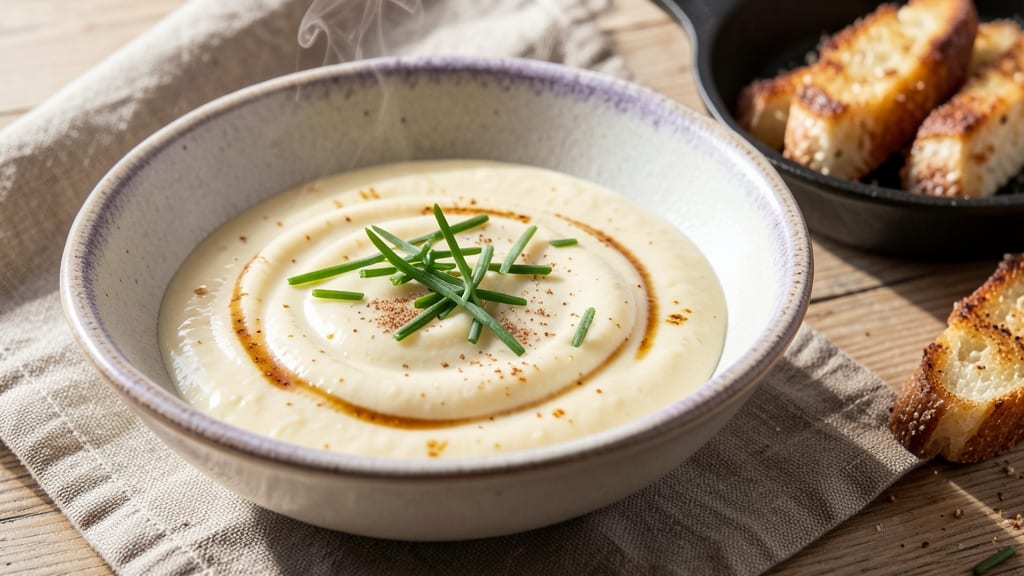
This powdered cheese sauce recipe transforms ordinary mac and cheese into something extraordinary—creamy, velvety, and completely clump-free with just a few pantry staples. I developed it after years of struggling with lumpy store-bought sauces, and the secret lies in the precise ratio of powdered cheese to liquid.
It's the kind of recipe that saves you time while delivering restaurant-quality results every time.
The beauty of this method is its simplicity: just powdered cheese, milk, butter, and a splash of water come together in minutes. No measuring cups, no guesswork—just combine, heat, and stir until smooth.
The powdered cheese dissolves completely, creating a sauce that's perfect for mac and cheese, baked potatoes, or even as a dip for veggies. It's foolproof, beginner-friendly, and requires no special equipment.
What you'll end up with is a silky, pourable cheese sauce that coats every noodle or bite without leaving a trace of clumps. The texture is rich and velvety, with a depth of flavor that comes from high-quality powdered cheese blends.
It reheats beautifully, making it ideal for meal prep or last-minute dinners. This is the kind of sauce that turns a simple meal into something special.
For extra flavor, you can customize it with garlic powder, onion powder, or a pinch of cayenne. The possibilities are endless, but the base recipe is already foolproof. Let's get started—your next mac and cheese night just got an upgrade.
Ingredients for powdered cheese sauce
Four core ingredients plus optional spices create restaurant-quality cheese sauce in minutes.
| Ingredient | Amount | Notes |
|---|---|---|
| Powdered Cheese (Cheese Sauce Blend) 🧀 | 1 cup | High-quality blend like Jiffy or homemade mix |
| Whole Milk 🥛 | 1 ½ cups | Full-fat for creaminess (or 2% if preferred) |
| Unsalted Butter 🧈 | 2 tbsp | Cold cubes for even melting |
| Water 💧 | ¼ cup | Room temperature for smooth texture |
| Garlic Powder 🧄 | ½ tsp | Optional for extra flavor |
| Onion Powder 🧅 | ½ tsp | Optional for depth |
| Salt 🧂 | ¼ tsp | Adjust to taste |
| Black Pepper 🌶️ | ¼ tsp | Freshly ground preferred |
| Cayenne Pepper 🔥 | ⅛ tsp | Optional for heat |
The powdered cheese is everything here. Jiffy or Bob Evans are my go-tos—they dissolve perfectly and give that classic cheesy flavor. If you're making your own blend, sharp cheddar and Parmesan work best. The milk? Whole milk gives the best texture—it's richer and smoother. I always grab the organic kind at Whole Foods when I'm feeling fancy, but regular supermarket milk works just fine. The butter needs to be cold when you add it—softened butter creates lumps—so take it out of the fridge just before using. Trust me on this one.
No powdered cheese on hand? Shredded cheddar plus cornstarch works in a pinch—mix 1 cup shredded cheese with 2 tbsp cornstarch and pulse in a food processor. Want to skip the garlic powder? Fresh minced garlic at half the amount adds serious flavor. The water might seem odd, but it's key for that silky texture. Too much? The sauce will be thin. Too little? It'll be thick and clumpy. Start with the exact amount and adjust as you go. The cayenne is totally optional—leave it out if you're sensitive to heat, but it adds a nice kick if you like it spicy.
This sauce reheats like a dream—just microwave with a splash of milk if it gets too thick. Keeps in the fridge for 5 days in an airtight container, and freezes beautifully for up to 3 months. I always make a double batch because it disappears fast. Store leftovers with a layer of plastic wrap pressed right on the surface to prevent a skin from forming. And if you're prepping for a crowd? Double the recipe—it scales perfectly.
Why You'll Love This Recipe
- Five-Ingredient Magic: I swear by this recipe—just milk, butter, water, that powdered cheese blend, and a pinch of garlic. No measuring cups, no stress, no waiting for shredded cheese to melt properly. Honestly, it’s the kind of sauce I make when I’m too tired to think.
- Cheesy Comfort in Seconds: That garlic powder? It’s the secret weapon. The sauce is rich, velvety, and hits that perfect tangy-cheesy balance without tasting like a box mix. My kids dip everything in it—fries, veggies, even toast—and I don’t even mind the mess.
- Dip, Pour, Repeat: This sauce is my weeknight MVP. Drizzle it over mac and cheese, use it as a dip for nachos, or toss it with roasted broccoli. I’ve even used it as a pizza sauce substitute in a pinch. Between us, it’s the kind of recipe that makes you wonder why you ever made homemade cheese sauce from scratch.
- Pantry Staple, Zero Waste: The powdered cheese blend lasts forever, and you only need a splash of milk and butter. No leftovers? No problem—it reheats like a dream. And if you’re on a budget, this is the move: cheap, fast, and always delivers. (Yes, even on a Tuesday night.)
Step-by-step instructions for powdered cheese sauce
Here's how to make a velvety, no-clump cheese sauce that's perfect for mac and cheese or dipping.
Warm the Milk and Butter Together
In a medium saucepan, combine the 1.5 cups whole milk and 2 tablespoons cold unsalted butter over medium-low heat. Let it warm gently until the butter melts completely and the mixture reaches a gentle simmer—you'll see tiny bubbles forming around the edges, but don't let it boil. This gradual warming prevents lumps from forming later.
I like to stir occasionally with a whisk to distribute the butter evenly. If you see any butter clinging to the sides, use a silicone spatula to scrape it down. This step is all about creating a smooth base—if you rush it, you'll end up with grainy sauce later. Keep the heat steady and let it warm for about 5 minutes until it's hot but not boiling.
Whisk in the Powdered Cheese Gradually
Reduce the heat to low and slowly sprinkle in the 1 cup powdered cheese while whisking continuously. This is the most critical step—adding the cheese too quickly creates clumps. I like to use a fine-mesh strainer to sift the powder directly into the center of the whisking liquid. Keep whisking vigorously for 2-3 minutes until the mixture thickens and becomes smooth.
If you notice any small lumps forming, don't panic—just keep whisking and the heat low. The powdered cheese needs time to fully dissolve. You'll know it's working when the sauce becomes glossy and coats the back of a spoon. This process should take about 3-4 minutes total, so patience is key here.
Add Seasonings and Water for Perfect Texture
Remove the saucepan from heat and stir in the 0.25 cup room-temperature water, 0.5 teaspoon garlic powder, 0.5 teaspoon onion powder, 0.25 teaspoon salt, 0.25 teaspoon black pepper, and 0.125 teaspoon cayenne pepper. The water helps adjust the consistency to a smooth, pourable texture. Give it one final whisk to ensure everything is evenly distributed.
Here's a pro tip: If the sauce is too thick, you can thin it with a splash more of the warm milk. If it's too thin, let it sit off the heat for a minute or two—it will thicken as it cools. The seasonings should be subtle but noticeable, with the garlic and onion powder adding depth without overpowering. Taste and adjust the salt if needed, remembering that the cheese blend is already seasoned.
Keep Warm and Use Immediately
Return the sauce to low heat and let it simmer gently for 2-3 minutes to meld all the flavors together. This final step ensures the sauce is fully cohesive and ready to use. The consistency should be smooth, like heavy cream, with no lumps or graininess.
For best results, use the cheese sauce immediately over your favorite pasta or as a dipping sauce. If you need to store it, transfer it to an airtight container and refrigerate for up to 3 days. To reheat, warm it gently on the stove over low heat, stirring frequently to prevent clumping. This sauce is magic—creamy, flavorful, and foolproof every time.
Pro Tips For Making Powdered Cheese Sauce
- Melt Butter Slowly: I learned this the hard way—dumping cold butter into the pan and ending up with lumps that never fully dissolved. Instead, melt the butter first over medium heat until it’s just starting to foam, then whisk in the milk. The sauce will thicken smoother and you’ll avoid that dreaded grainy texture.
- Use Warm Milk: Cold milk makes the sauce fight you. Heat the milk to about 160°F (just below boiling) before adding it to the butter—this helps the powdered cheese dissolve instantly and prevents clumping. Yes, even if you’re impatient like me, take the 2 minutes to warm it.
- Skip the Water Shortcut: Some recipes call for water to thin the sauce, but it weakens the flavor and makes the sauce taste flat. Stick to whole milk and adjust thickness by simmering longer instead. If it’s too thick, add a splash of milk, not water—your taste buds will notice the difference.
- Stir Constantly First: The first 30 seconds after adding the powdered cheese are critical. Stir like you’re trying to win a race because that’s when lumps form if you let it sit. Once it starts thickening, you can ease up—but don’t stop until it’s fully smooth. I skip this step sometimes, and the sauce always pays for it.
Storing and reheating this dish
Fridge Storage Tips
Transfer your cheese sauce to an airtight container—I use glass Pyrex with snap-on lids—while it's still warm to prevent a skin from forming. Let it cool completely before sealing, then store in the fridge for up to 5 days.
The sauce actually tastes better the next day as the flavors meld together. I always press plastic wrap directly on the surface to lock in moisture and prevent drying out. 🧀
Freezer-Friendly Secrets
For long-term storage, freeze your sauce in quart-sized freezer bags with 1 inch of headspace to account for expansion. Squeeze out all the air before sealing to prevent freezer burn. This sauce keeps for 3 months without losing its creamy texture.
When ready to use, thaw overnight in the fridge, then reheat gently on the stove with a splash of milk to restore its smooth consistency. 🥶
Reheating Like a Pro
My favorite method is stovetop reheating: pour the sauce into a saucepan over low heat and stir constantly with a silicone spatula. Add 1-2 tablespoons of milk or water if it thickens too much.
Never microwave directly from the fridge—it creates lumps. For extra insurance, whisk vigorously while heating to break up any potential clumps. The sauce should be smooth and velvety when ready. ✨
Make-Ahead Prep
Double the recipe and store half for later—this sauce disappears fast! I keep a batch in the freezer for quick weeknight dinners. When prepping for a crowd, divide the sauce into individual portions before freezing.
This way, you can thaw just what you need without dealing with a huge container. Label your containers with the date to track freshness. 📅
Texture Fixes
If your reheated sauce seems too thick, thin it with warm milk one tablespoon at a time until you reach the perfect pourable consistency. For extra richness, stir in 1 tablespoon of butter while reheating.
If it's too thin, let it simmer uncovered for 2-3 minutes—the moisture will evaporate naturally. The key is patience: never rush the reheating process. 💡
Grandmother's Trick
My grandmother always swore by this trick: after reheating, let the sauce sit off the heat for 5 minutes before serving. This allows any residual moisture to settle, resulting in a thicker, more luxurious texture.
She'd say, "Good cheese sauce knows when to rest." I've tested this tip countless times—it really works! The flavors also have time to meld completely during this resting period. 💛
Nutrition facts
Frequently asked questions
Can I use powdered cheese sauce for dishes other than mac and cheese?
This versatile sauce works perfectly for baked potatoes, nachos, grilled cheese sandwiches, or even as a dip for veggies or fries. The creamy texture makes it ideal for topping cauliflower mash or stuffed peppers too. The key is using it warm—it's best when freshly made or gently reheated.
Why does my powdered cheese sauce get lumpy?
Lumps usually happen when the powdered cheese is added too quickly or the heat is too high. Always whisk continuously over low heat and sprinkle the cheese gradually. If lumps appear, immediately remove from heat and whisk vigorously—they'll dissolve as the sauce cools slightly. Cold butter or adding cheese too fast are the top culprits.
Can I make this sauce without milk? What substitutes work?
Yes! For a dairy-free version, replace milk with unsweetened almond milk or cashew cream (blend soaked cashews with water). For extra richness, use half milk and half heavy cream. The ratio stays the same—just adjust seasoning since dairy-free options are less salty. The sauce will be slightly lighter but still creamy.
How do I adjust the thickness of this sauce?
For a thicker sauce, simmer uncovered for 2-3 minutes to evaporate moisture. For a thinner, pourable consistency, stir in 1 tablespoon warm milk or water at a time. Pro tip: Let the sauce rest 5 minutes off heat before adjusting—it naturally thickens as it cools. This helps avoid over-thickening.
Is powdered cheese sauce healthier than traditional cheese sauce?
It depends on your priorities! Powdered cheese sauce typically has less fat (since it's dehydrated) but may contain added anti-caking agents. Traditional cheese sauce is richer but heavier. For a balance, use low-fat milk and add Greek yogurt (1/4 cup) for protein. Both versions are delicious—choose based on your dietary goals!